Short answer
Ticks (gochid or kilni) feed on blood, irritate the animal, lower milk and spread diseases such as tick fever. Check the udder, under the tail, the ears and between the legs regularly, and treat the shed as well as the animal, because ticks lay their eggs in cracks in walls and floors. See the vet if the animal has a high fever or red coloured urine.
Where to look
- Around the udder and teats.
- Under the tail.
- Inside and behind the ears.
- Between the hind legs.
- The neck and dewlap.
Why ticks matter
- Blood loss and weakness.
- Lower milk.
- Tick fever and other diseases that ticks carry.
- Skin wounds that attract flies.
How to control them
- Treat all the animals in the shed together.
- Fill cracks in walls and floors, and clear old bedding.
- Repeat the treatment as the product directs, because eggs hatch later.
- Keep the grass around the shed short.
- Check new animals for ticks before they join the herd.
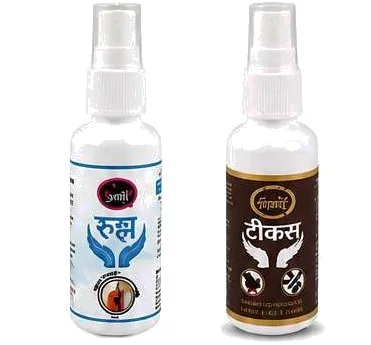
HNC products that help
When to call the vet
Call the vet if the animal has a high fever, red or coffee coloured urine, pale gums or stops eating. These are signs of tick fever.
Questions farmers ask
How do I get rid of ticks on my cow?
Treat every animal in the shed together, clean the shed and fill cracks where ticks lay eggs, and repeat the treatment as directed. A herbal spray such as Tiks helps keep ticks off the animal.
Why do ticks keep coming back?
Ticks lay eggs in the shed itself. If only the animal is treated, new ticks climb back on. Clean the shed and fill the cracks as well.
Can ticks make cattle ill?
Yes. Ticks spread tick fever. High fever, red urine and pale gums need a vet straight away.